Cabin core home design starts from an honest place: most nights, you're not at camp. You're somewhere with drywall and a thermostat, and the trip you're building toward is still weeks away.
That gap is real, and pretending otherwise doesn't make the weeknights feel any shorter. What actually helps is bringing pieces of the woods back with you — not as decoration, but as something closer to a standing appointment with the version of life you're working toward.
Why This Isn't Just Decorating
There's a difference between filling a room with outdoor-adjacent objects and actually building a space that carries the feeling of being off-grid, even temporarily. The first is aesthetic. The second is functional.
A cabin-core room isn't trying to look like camp. It's trying to feel like the pause camp gives you.
That distinction matters because it changes what you're actually optimizing for — not how a shelf looks in photos, but whether the room helps you slow down at the end of a long day.
Scent Does More Work Than People Expect
Of everything that can be carried indoors from a trip, scent transfers the most directly. Woodsmoke, cedar, leather — these aren't abstract associations. They're the actual smell of the last time you felt unhurried.
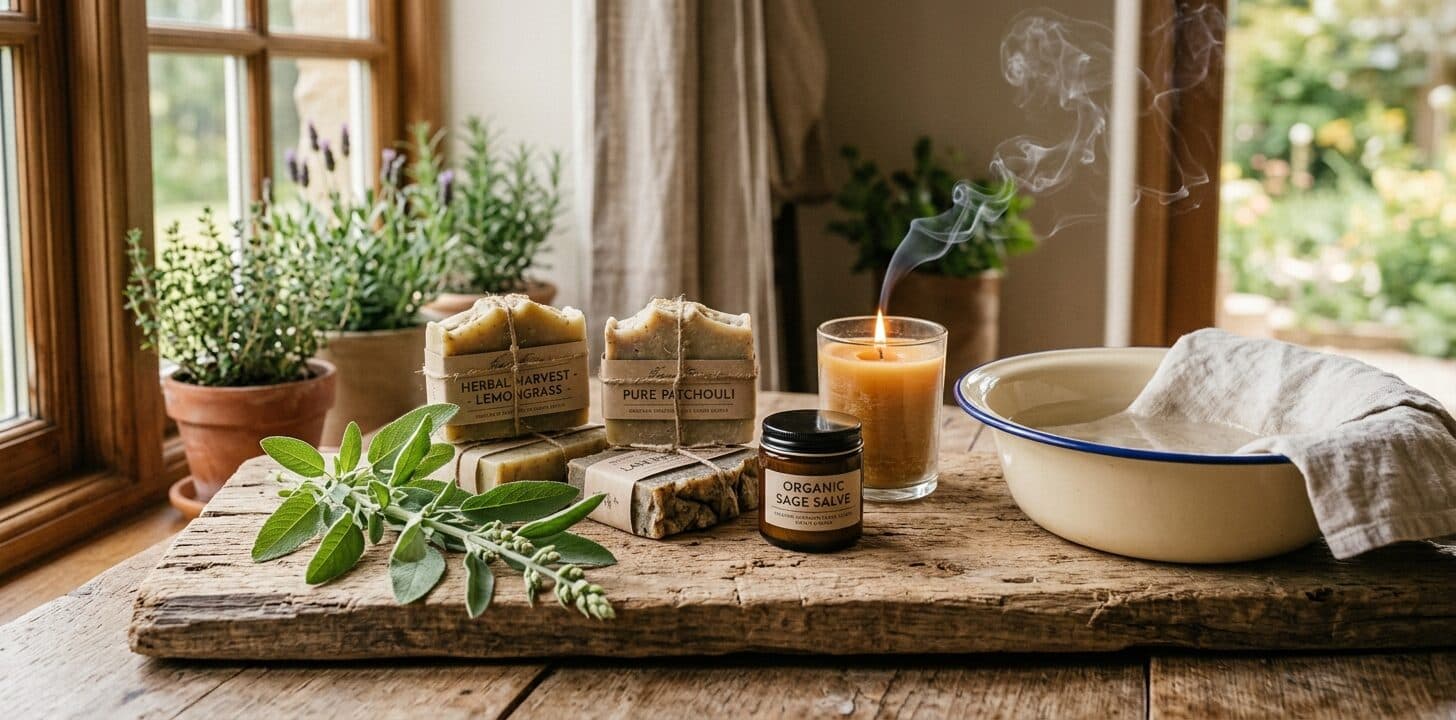
- An Ember & Smoke Candle lit during the same slow hour you'd normally spend at a fire does more to bridge the gap than most people expect
- A bar of Pine Tar Grit Soap in the shower turns a mundane routine into something that, briefly, smells like the trip you just got back from
- These aren't substitutes for the real thing. They're a way of not losing the thread between trips
The nose remembers camp faster than the calendar does.
Texture Over Trend
Cabin core, done honestly, leans on materials that age well rather than ones that photograph well — canvas, raw wood, iron, leather. These aren't chosen because they're on trend right now. They're chosen because they're the same materials that hold up in a truck bed or a tent vestibule, and that consistency matters.
- Canvas and raw wood soften a space without making it feel staged
- Iron and leather accents age visibly, which reads as lived-in rather than decorated
- Nothing here needs to be precious — the whole point is a space you can actually use hard
The Weeknight Version of the Ritual
We've talked elsewhere about the our piece on campfire coffee ritual — the slow ten minutes with coffee before the day pulls at you. That same instinct translates indoors more easily than people assume.
You don't need a fire to protect ten unrushed minutes. You need to decide they're worth protecting.
A quiet corner, one candle, one cup, no phone — that's a smaller-scale version of the same discipline that makes a campsite morning feel different from a normal one.
Hands That Still Do the Work
Between trips, hands still take a beating — yard work, garage projects, whatever keeps the truck and the gear ready for the next escape. A Workhand Salve worked in at the end of one of those days is less about camping and more about staying in the kind of shape the next trip actually requires.
The Point of All of This
Cabin core at home isn't about pretending you live somewhere you don't. It's about refusing to let the in-between stretches feel like dead time — treating the apartment, the townhouse, the rental, as a genuine home base for the life you're building toward, not just a waiting room until the next trip.
Start with scent — it's the fastest way to close the gap between where you are and where you're headed next.